The escalating cost of living has everyone feeling the financial strain, from individuals to businesses. Yet, within the challenges posed by rising expenses lies an opportunity for innovation and creative problem-solving.
In this era of economic pressure, businesses are seeking alternatives to traditional models, and one solution stands out—semi-permanent spaces. I’ve been conceptualising this idea for a bit now, and it makes even more sense now. These spaces offer a unique approach, providing a balance between the permanence of a traditional brick-and-mortar space and the flexibility of a pop-up stall. Imagine a retail or hospitality environment that boasts high-end aesthetics without the burdensome costs of a permanent fit-out.
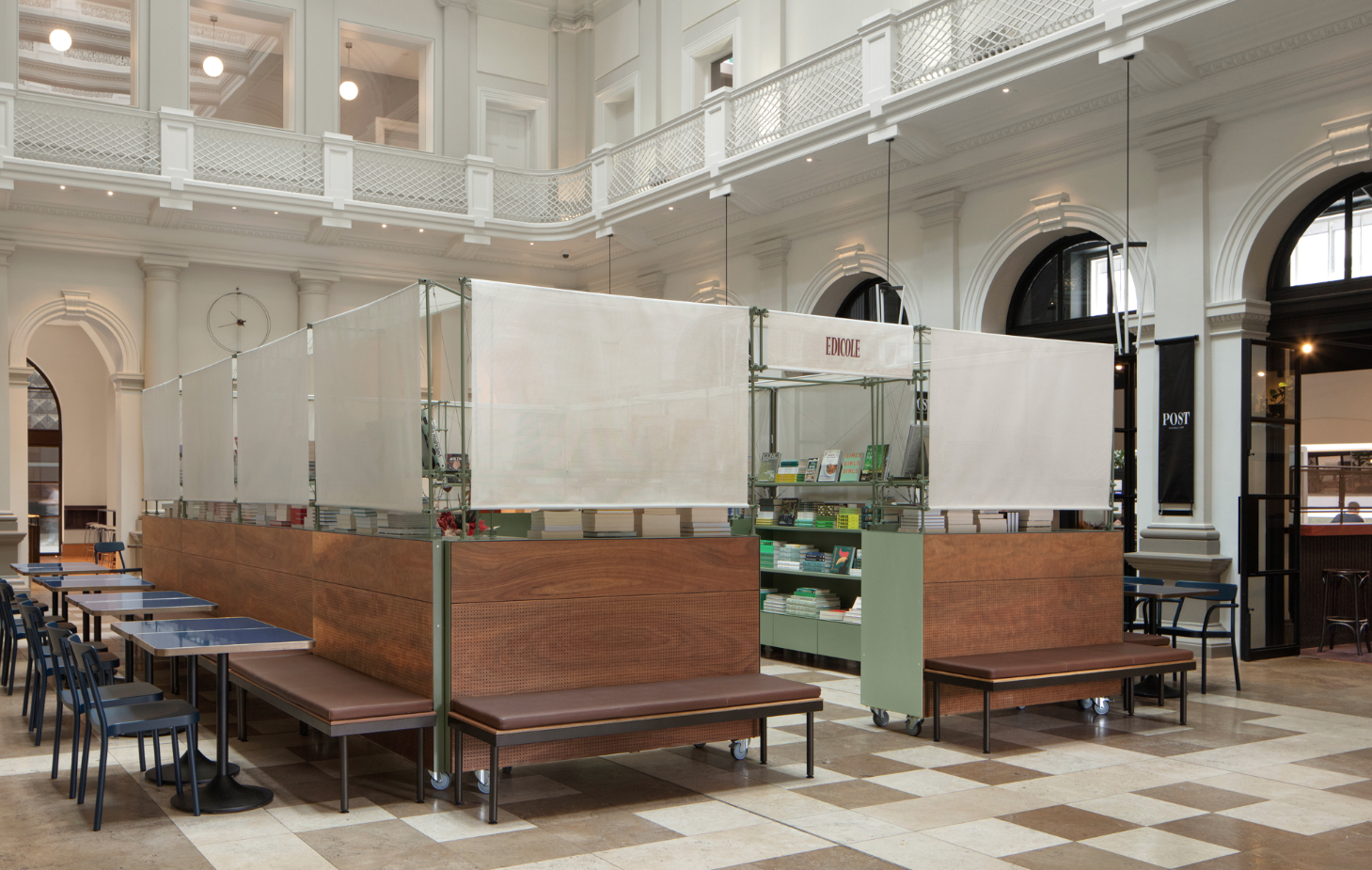
An example of a semi-permanent space (demountable) by Trower Falvo Architects. Photography by Ben Hosking. Source: The Local Project
A semi-permanent space is essentially a dynamic, adaptable structure designed to be easily assembled, disassembled, and moved to different locations.
Its smaller footprint not only reduces construction and operational costs but also promotes sustainability by utilising resources more efficiently. This more economical model aligns with the current trend of businesses re-evaluating their environmental impact and making responsible choices.
A great example of the versatility of semi-permanent spaces can be observed in their application within office environments, pictured below. Individual meeting rooms or work pods that are wired, ventilated, and purpose-built are ideal for larger open spaces without the need for a complete fitout, but the potential for adaptability and cost-efficiency remains. The aesthetic won’t suit retail or hospitality industries, but the idea is adaptable too!
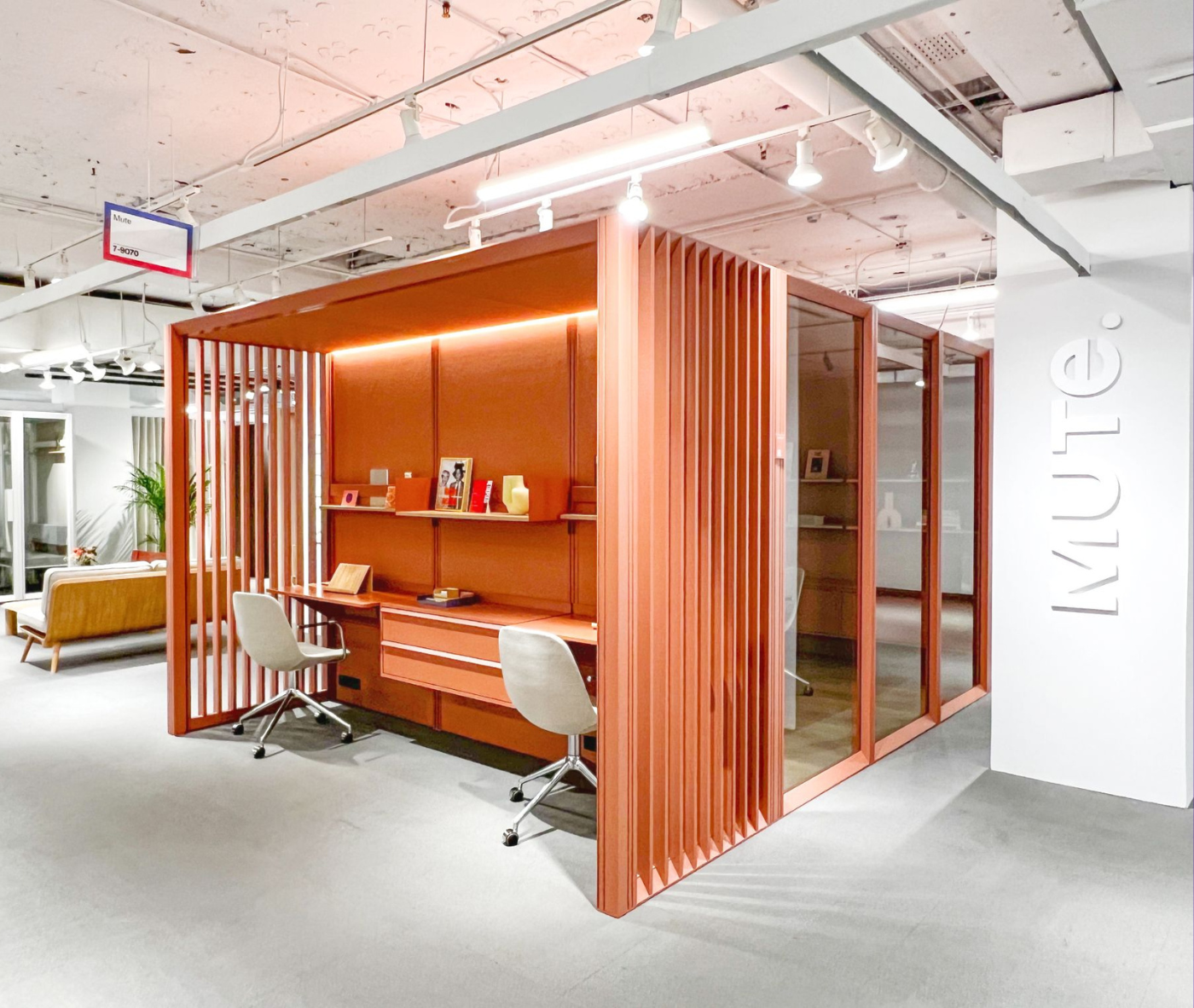
Example of semi-permanent space in an office environment. Omniroom. Source: P4 Design
You might be skeptical, anticipating that such a design would have higher initial expenses for flexibility and custom joinery. However, consider this: the upfront investment is made smaller by the advantages of mobility. Imagine the freedom to relocate without being tied down by exorbitant leases, especially during downturns in business. You can reach a wider audience and even test a unique experience that connects with your customers.
In the face of economic challenges, embracing innovative design solutions not only enhances visual appeal but also offers financial adaptability. It’s time to rethink our approach to design, turning rising costs into opportunities for better, more sustainable business models.