(AND WHY IT MATTERS)
You don’t have to be a scientist or psychologist to understand colour psychology (CP), especially when you have us in your corner.
Albers wrote the groundbreaking, ‘Interaction of Colour’ back in 1963 where he proved the profound psychological impact colours have on individuals. Through a series of experiments, he demonstrated how colours can be perceived differently based on their content and interaction with other colours.

What’s the history behind it?
While this might be the first time you’ve heard of CP, it’s actually been around for quite some time. The study of colour psychology has a long and fascinating history that dates back to ancient civilisations.
Here’s a brief dive into its rich background:
Ancient Egypt
Colour symbolism was used to represent certain qualities or attributes of deities. It was also used for healing.
Ancient Greece
Philosopher Aristotle believed that certain colours were associated with specific personality traits and had the power to impact a person’s mood and behaviour.
Middle Ages
Colours were commonly used in religious art to represent different aspects of religion.
Renaissance
Artists used colour in new and innovative ways to convey emotion, depth and perspective in their works.
Early 20th Century
Psychologists such as Carl Jung began to study the connection between colour and personality.
1950s
Max Luscher developed the Luscher colour test. This measures a person’s emotional response to different colours.
Today, the 21st Century:
Colour psychology is a popular field of study, with researchers exploring the impact of colour on various industries such as advertising, marketing, interior design and fashion.
Looking for some contemporary examples of colour psychology in use?
We’ve thrown some together for you below!

*Branding: Many companies use CP to help create their brand image and convey certain emotions or values to customers.
*Web Design: The use of CP to create an online mood or atmosphere. For example, warm colours such as orange and yellow can create a sense of energy and enthusiasm.
*Home Decor: Interior designers use CP to create an in-person ambience.
*Fashion: Designers use CP to create clothing that evokes certain emotions and allows the wearer to showcase their personality.
*Healthcare: CP can be used in healthcare settings to promote healing and wellbeing, while also ensuring the provider is positioned as trustworthy and reputable.
Principles of CP

*Hue: Different hues or colours can evoke different emotional responses. Think about how you feel when viewing warm colours vs cool colours.

*Cultural associations: An emotional response to colour can be heavily influenced by cultural associations. For example, take Red, in Chinese culture it symbolises luck and happiness, yet in America it's all about passion and love.

What is CP?
Colour psychology is the study of how colours can impact our emotions, behaviour, and feelings.

*1950s: Max Luscher developed the Luscher colour test, which measures a person's emotional response to different colours.
*Today: Colour psychology is a popular field of study, with researchers exploring the impact of colour on various industries, such as advertising, marketing, interior design, and fashion.


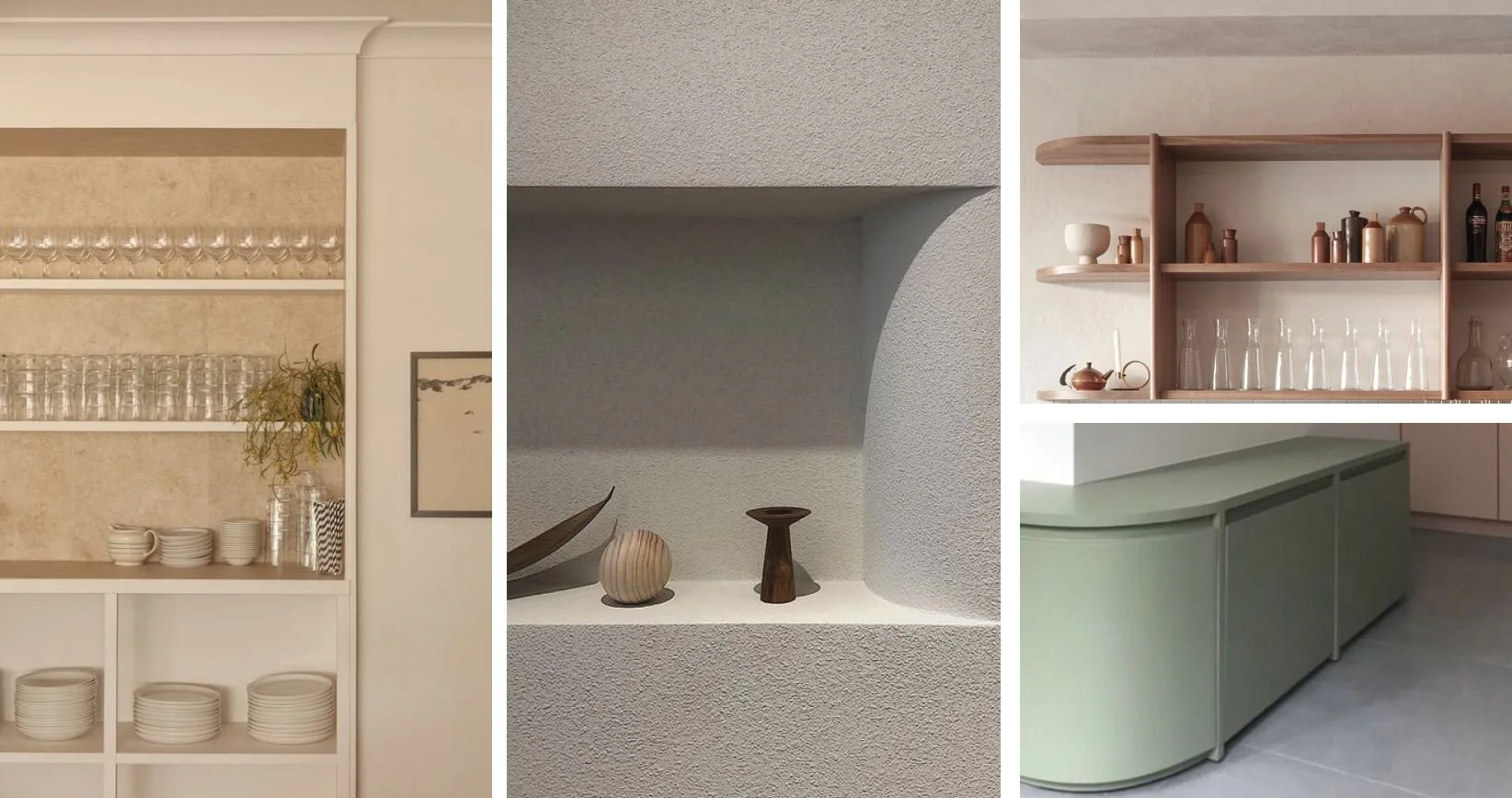
Like all concepts, there are a collection of principles that underlie CP. When used correctly and strategically, colour psychology has the ability to heavily impact our emotions, behaviours and moods.

*Saturation: The intensity of a colour can also impact our emotional response. Highly saturated colours can make us feel energised and vibrant, while less saturated colours can prompt us to feel subdued or calm.

*Contrast: Contrasting colours can create a sense of energy and excitement, while harmonious colour schemes create a sense of balance.

*Personal associations: Personal experiences and memories can impact our emotional response to colour. This is subjective and unique to each individual’s life and story.
Whether you're a designer, marketer, or simply interested in the power of colour, understanding the basics of colour psychology can help you make more informed choices and create more effective designs and environments. So, the next time you're choosing a colour palette or trying to create a certain mood, consider the principles of colour psychology and why they matter. Your designs will thank you for it.