Sensory design is not a new concept, but it is gaining momentum, and the world NEEDS it.
So, let’s dive into what sensory design is, why I use it in my practice, and how you can amplify your brand using it.
“Sensory design is all about the experience.”
It creates memorable or pleasurable experiences (based on neuroaesthetics), which is a whole other topic. As humans, we inherently value two things above all: experiences and connections. They inspire, motivate, heal, and create lasting memories.
In today’s fast-paced world, where the majority of interactions are influenced by digital interfaces and screen-based experiences, there’s a growing need to reconnect with the tangible and the sensory. Sensory design, though not a novel concept, is gaining newfound momentum, and it couldn’t have come at a better time. This article explores the world of sensory design, and it’s profound impact on the human experience.
Understanding sensory Design: Rooted in the principles of neuroaesthetics, it delves deep into the science of aesthetics and the way our brains respond to sensory stimuli. Sensory design harnesses our primal instincts, crafting environments, products, and spaces that engage all our senses, transporting us into a realm of wholistic, unforgettable encounters.
In my creative practice, sensory design is not just a buzzword; it’s a guiding philosophy. I’ve witnessed the transformative power of thoughtfully incorporating sensory elements into my work. I use sensory design as a multidimensional tool, examining every facet of the sensory experience. It begins with a thorough analysis of the client brief, understanding their unique goals, values, and the emotions they aim to evoke in a space. By dissecting the client’s vision, I identify the sensory elements that can be leveraged to craft unforgettable experiences.
One essential component of my approach is the creation of a colour evaluation. Colour is a potent force in sensory design, influencing emotions and perceptions in a space. I carefully select colours that resonate with the client’s objectives, weaving a narrative through the visual and emotional impact of hues. These colours aren’t chosen arbitrarily but are a result of a deep understanding of the psychology of colour and its ability to harness the desired feeling and experience within a space.
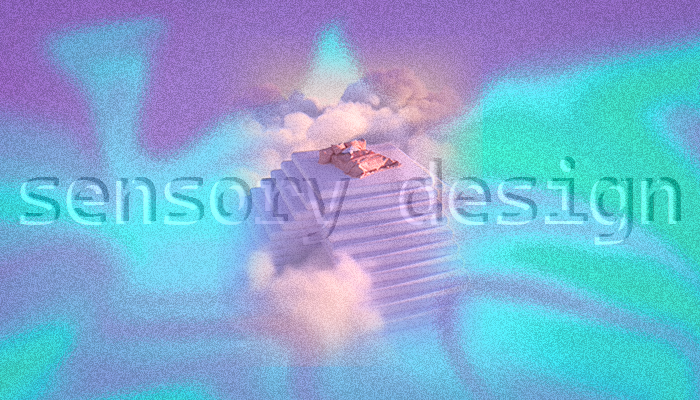
Gradient by Nathan Gledhill, Image by Mo Eid, Design: By Jacs
This meticulous approach to sensory design enables me to curate environments that transcend the ordinary. It’s about elevating spaces to evoke a symphony of sensations, from the visual aesthetics to the subtle scent and tactile experience. It’s a holistic and immersive process that aligns the sensory elements with the overarching vision, creating a tapestry of sensations that leave a lasting mark on all who engage with the design. In a world overwhelmed by the digital, we crave for physical, sensorial experiences that rekindle our connection to the world around us. Sensory design accomplishes just that, and it’s why I’ve wholeheartedly embraced it in my creative endeavours.
For those looking to amplify their brand, sensory design offers an incredible opportunity. It’s about understanding your audience on a deeper level and crafting experiences that resonate with their emotions and desires. When your business can evoke sensory pleasure, it creates a profound and lasting impression in the minds of your customers.
Sensory design is not a passing trend; it’s a reconnection with the human experience. It’s about creating spaces, products, and moments that transcend the digital realm, making us feel truly part of something.
By understanding the power of sensory design and how it enriches our lives, we can elevate our creative practices and enhance our brands. As we journey forward in this increasingly digital age, let’s not forget the touch, the smell, the sound, and the taste of the world around us, as it’s through our senses that we truly connect, create, and leave an indelible mark on the human experience.